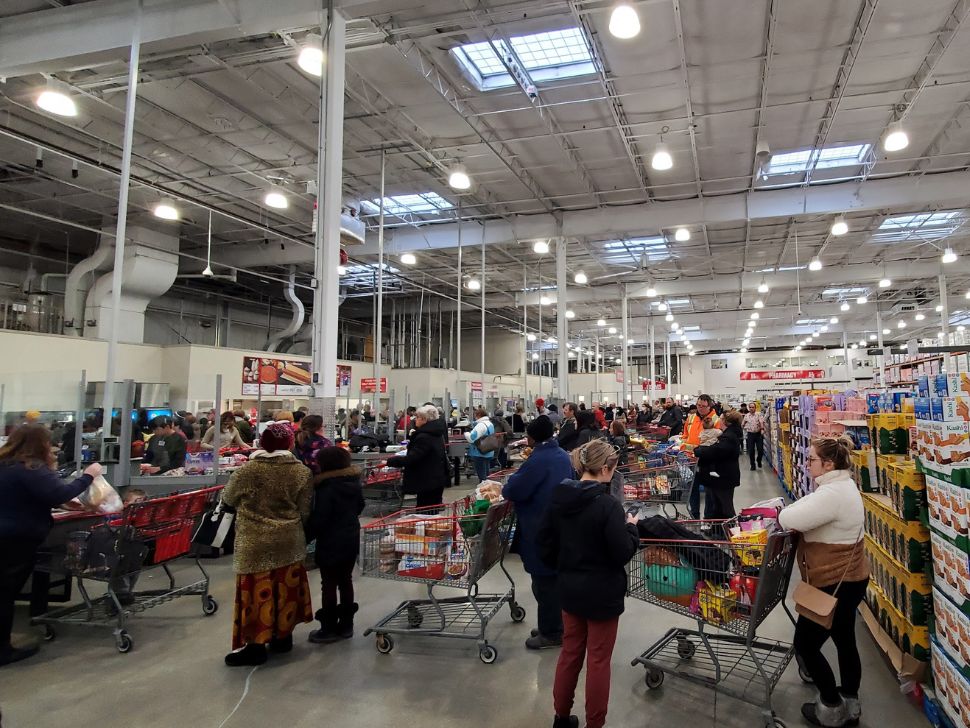
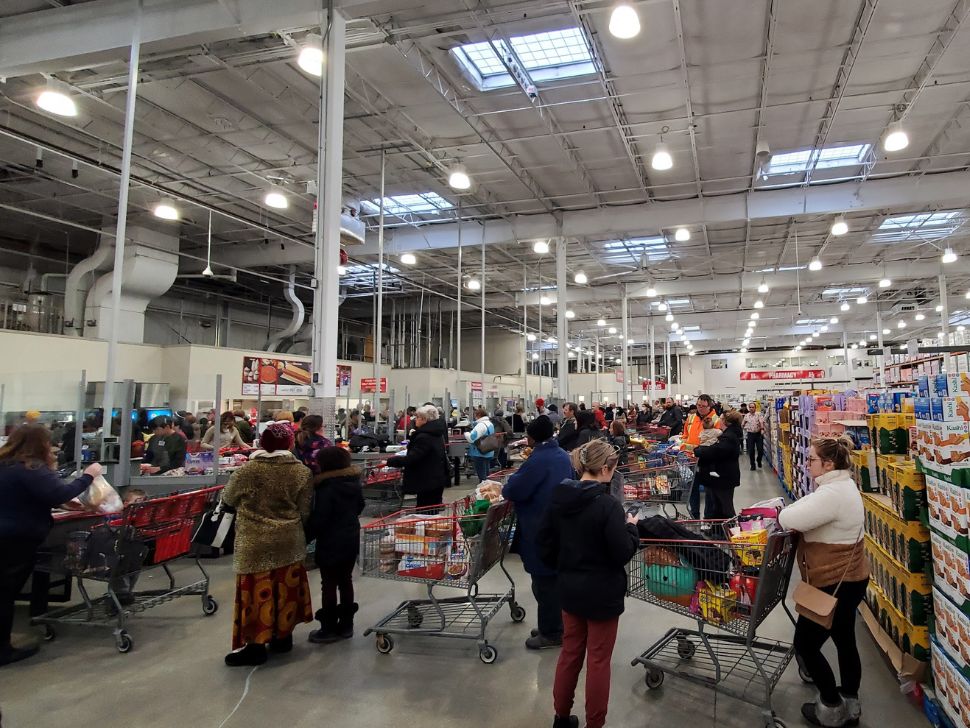
The province of Manitoba is on track to becoming the first Canadian jurisdiction to have true competition in the grocery sector.
23 property controls have already been submitted for removal in response to the Property Controls for Grocery Stores and Supermarkets Act (Bill 31), which passed earlier this year, Premier Wab Kinew and Public Service Delivery Minister Mintu Sandhu announced Wednesday.
“Our government is committed to making life more affordable for you and your family,” said Kinew in a news release. “Manitobans can’t take on the big grocery chains on their own, but we can. This is just one tool we are using to aggressively work toward affordability in this province. There will be more measures to come, but the early success of Bill 31 shows we are on the right track when it comes to lowering prices for Manitoba families.”
Bill 31 originally passed in June 2025, prevents grocery stores from creating new restrictive covenants or exclusivity clauses. Stores were given a six-month period to register property control if they believe it should be maintained or to amend controls to remove the grocery-related component. Any grocery-related property controls that were not registered are considered void.
Along with the 23 submitted for removal, a minimum of 46 property controls were submitted for confirmation by the Dec. 1 deadline. Registrations that were submitted by the deadline are still under review. “The minister of public service delivery will receive a report of all registrations from the registrar-general and refer them to the municipal board, which will determine whether the controls are in the public interest.”
“True competition in Manitoba is good for the consumer,” said Sandhu in a news release. “Exclusivity clauses and restrictive covenants stifle competition and drive up prices. By removing these property controls, Manitoba is on its way to becoming the first province in Canada to have a truly competitive grocery sector.”
This act is part of the Manitoba government’s broader affordability measures, which include lowering the gas tax, freezing hydro rates, introducing the Homeowners Affordability Tax Credit and offering $10-a-day child care.