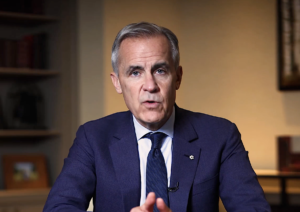
A spokesperson for GasBuddy says this week’s jump in gas prices is not connected to the situation in Venezuela. Patrick De Haan is referring to last weekend’s capture of Venezuelan President Nicolas Maduro in a large-scale strike by the U.S.
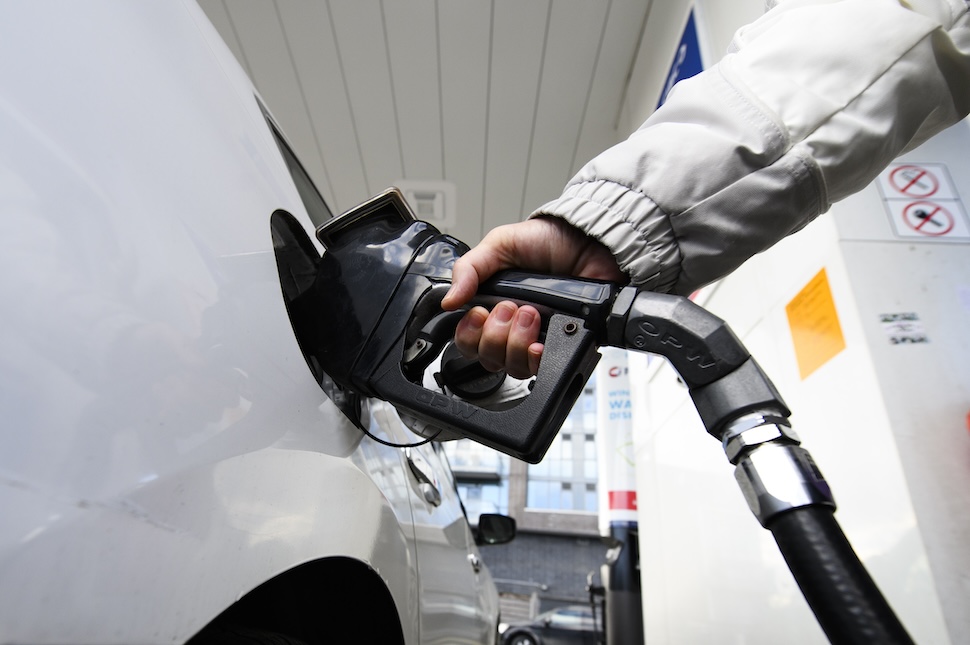
At the start of this week, most stations in Winnipeg were selling regular gasoline at 111.9 cents per litre. South of Winnipeg, the city of Steinbach was one cent per litre more but still low. Then on Wednesday, it jumped to 122.9 cents per litre.
De Haan is Head of Petroleum Analysis at GasBuddy. De Haan says he does not really have a clear reason why prices jumped 11 cents per litre this week, noting the price of oil has remained relatively steady, fluctuating between about $57 and $59 a barrel.
“I wouldn’t believe that it’s the price of oil that’s gyrating the price that we’re seeing,” he says. “Steinbach is seeing average prices up about 11 cents a litre here in the last week to 123.9.”
De Haan says in the short term, he does not expect the situation in Venezuela to have a big impact on gas prices here. He notes there had been talk of the United States possibly acquiring 30 to 50 million barrels of Venezuelan oil being stored at sea. De Haan says this could pull oil prices a little lower, similar to Wednesday, when prices briefly slipped below $56 a barrel.
“There’s a lot being said about a permanent and big drop in oil prices,” he adds. “But I simply don’t see that for potentially several years.”
De Haan notes that Venezuela could certainly start to see redevelopment of its oil infrastructure that has been badly damaged over the last couple of decades, due to a lack of investment, mismanagement, and corruption under the weight of U.S. sanctions. However, he notes it will likely take several years for Venezuela’s oil output to increase and have a meaningful impact on the price of oil moving forward.
In the meantime, De Haan says he expects that for the next few weeks, gas prices in southern Manitoba will likely remain within five to 10 cents per litre of where they currently are. He explains that supplies of gasoline are building now that demand has really dropped off. De Haan says with the Christmas holidays now over, and colder weather setting in, Canadians generally stay closer to home. As a result, the demand for gasoline drops, which means gasoline supplies build.
“Eventually, before the transition to summer gasoline, all that gasoline is going to have to be sold off,” he explains. “So, I do think that there is a potential here over the next, call it three to five, maybe six weeks, that gas prices could eventually go back down.”
Then, as we get into mid to late February, De Haan says the demand starts to go up, and by early March, we transition to summer gasoline. This could all result in higher gas prices.
Meanwhile, De Haan says Manitoba motorists are enjoying some of the lowest gas prices in the country. As of Thursday morning, the average price of gas in Manitoba is 118.6 cents per litre. This is the lowest average, slightly ahead of Saskatchewan’s 118.8 cents per litre. Quebec is the province with the highest average price of gas at 138.9 cents per litre.
According to GasBuddy, the city in Canada with the lowest average price of gas is Sylvan Lake, Alberta, at 101.9 cents per litre. The city with the highest average price is White Rock, B.C., at 145.9 cents per litre.
The average price of gas in southern Manitoba one year ago today was 148.9 cents per litre.