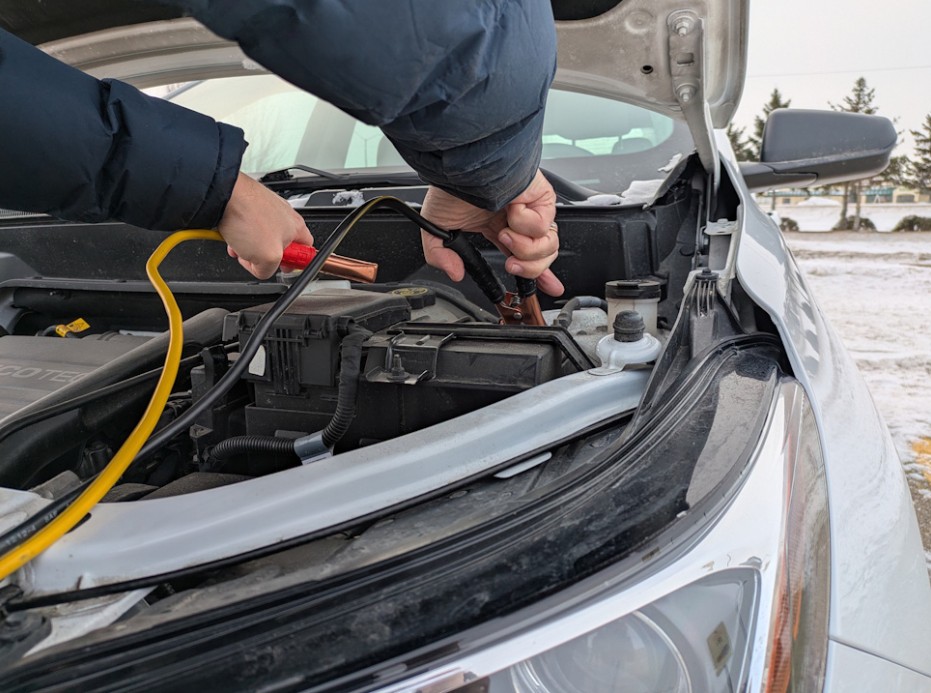
With Southern Manitoba plunging into a deepfreeze, CAA Manitoba is reminding motorists to make sure their vehicle’s battery is prepared.
Environment Canada is calling for overnight temperatures to dip below -30 degrees this weekend. CAA Manitoba spokesperson Nadia Matos says that using predictive analytics, the organization anticipates an increase in battery failures as prolonged cold takes its toll on vehicles.
“The average car battery only lasts about three to five years, and even on a cold day, a brand-new battery can lose about 30 per cent of its power,” says Matos. “If you’ve got a battery that hasn’t been checked in a while and you combine that with extreme cold, we do expect more failures over the next few days.”
For the latest CDK Electric forecast, click here
Matos says it is not too late to get your battery checked or replaced before it fails.
“If you can, park indoors whenever possible,” she adds. “As that can reduce the temperature your vehicle is exposed to by about 10 degrees, which really helps.”
Matos also stresses the importance of plugging vehicles in during extreme cold and carrying a well-stocked emergency kit.
“Emergency kits are for the unexpected,” says Matos. “You don’t think you’re going to need one when you leave the house, but having things like a warm blanket, extra socks, a toque, water and non-perishable food can make a big difference if you get stuck and are waiting for help.”
Cold, stormy weather kept CAA busy last weekend
This week’s cold weather comes on the heels of what was a blustery weekend in Southern Manitoba, with separate storms on Friday and Sunday.
Matos says CAA Manitoba saw a sharp increase in calls for help across the province as weather conditions deteriorated over the weekend.
“It was a busier-than-normal weekend,” says Matos. “Over the course of Saturday and Sunday, we handled well over one thousand calls.”
According to Matos, the type of calls shifted as the weather changed. On Saturday, when snow and poor visibility were the main issues, about 60 per cent of calls were related to towing or vehicles stuck and needing to be winched out.
She notes that by Sunday, as temperatures dropped, battery problems became just as common.
“When the weather shifted from snow into that extreme cold, we started to see a 50-50 split between tow calls and battery-related calls,” says Matos.
Matos says there were some service delays last weekend as the result of highway closures.
“When roads are closed, we have to follow those restrictions,” she says. “We monitor conditions closely with law enforcement to make sure our drivers and associates are safe, and sometimes that means arranging service once roads reopen.”
Staying informed is key
CAA Manitoba encourages drivers to take a few extra minutes before heading out to check road conditions and make a plan ahead of time.
“Road conditions can change quickly,” says Matos. “It really comes down to safety and taking the time to prepare for the unexpected.”
CAA Manitoba says staying informed, prepared and knowing when to delay travel can help keep drivers safe and reduce the need for roadside rescues when conditions are at their worst.
—
With files from Maryssa McFadden