.png)
The Manitoba government has launched a renewed five-year poverty reduction strategy that it says is guided by the lived experiences of thousands of Manitobans, including those directly impacted by poverty, along with input from community groups, Indigenous leaders and businesses.
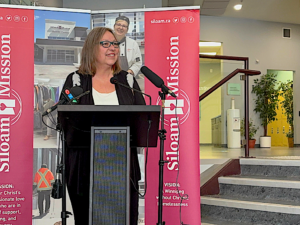
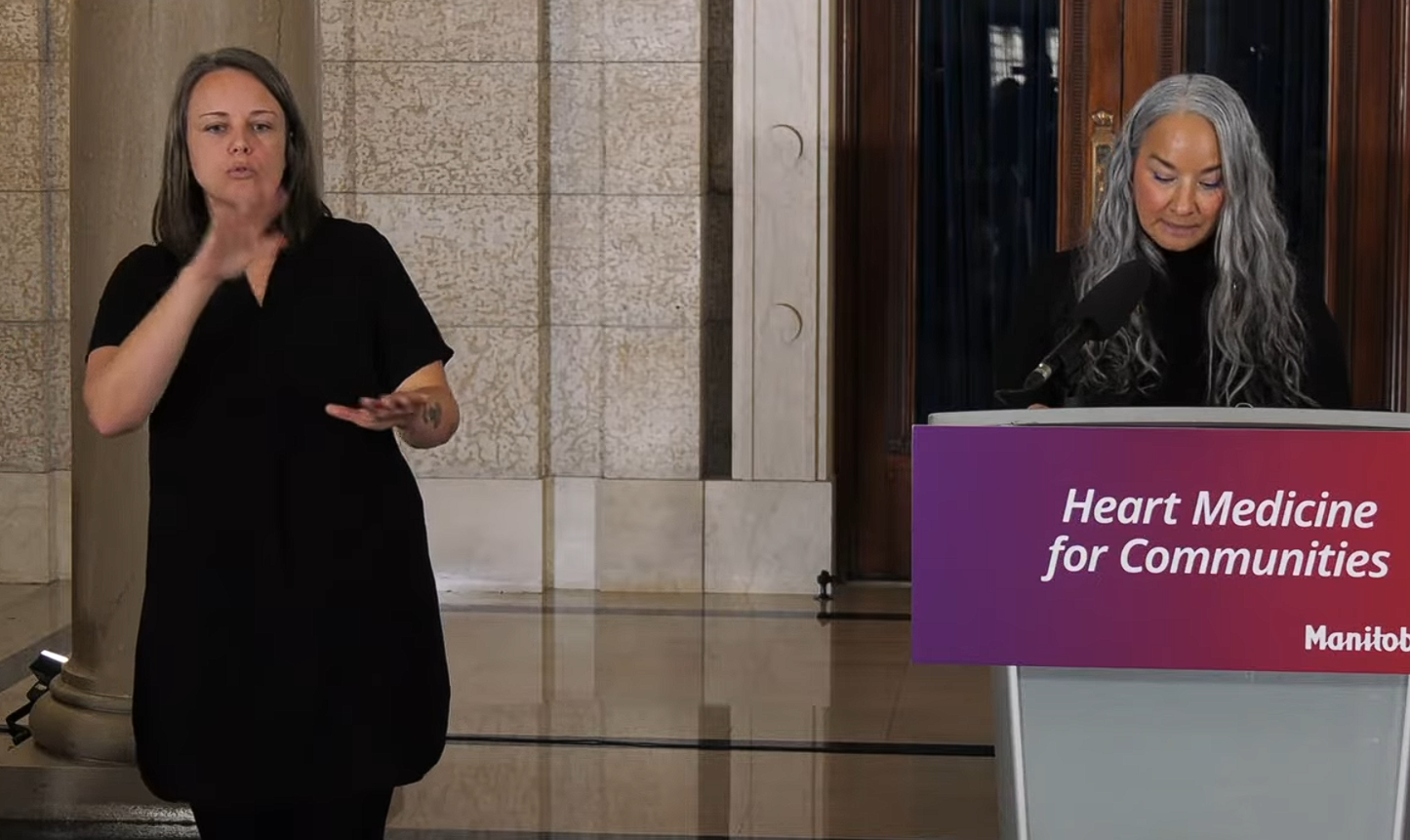
Families Minister Nahanni Fontaine and Housing, Addictions and Homelessness Minister Bernadette Smith announced the new plan Tuesday. Called Pathways Forward: Manitoba’s Poverty Reduction Strategy, the government says the initiative sets out a coordinated effort to address poverty across the province, particularly among vulnerable groups.
“This strategy is shaped by the lived experiences of Manitobans across the province who shared their stories with us,” said Fontaine. “Their perspectives are at the heart of this strategy, which reflects a collective vision for a more equitable and compassionate One Manitoba.”
According to the province, the strategy will prioritize three key groups: young children, youth exiting the child welfare system, and seniors. Officials say it will also rely on partnerships with grassroots and community-led organizations to connect Manitobans with the support services they need.
Smith said the government sees the role of grassroots organizations as essential to making the strategy effective, and added that the plan seeks to build a province where everyone has the opportunity to thrive.
The document, subtitled Heart Medicine for Communities, includes an emphasis on reconciliation and Indigenous-led approaches. The province notes that Indigenous Peoples in Manitoba face distinct challenges due to historical injustices and systemic discrimination, and the strategy aims to respond in collaboration with those communities.
The government highlighted several recent policy changes that it says align with the new strategy, such as increasing earnings exemptions for income assistance recipients, implementing a universal school nutrition program, expanding access to free birth control, and indexing benefits like Rent Assist to inflation. It has also doubled the Healthy Baby Prenatal Benefit and created a new independent seniors advocate role.
The province says these measures, along with others tied to education and housing, are meant to reduce barriers and provide Manitobans with more opportunities to succeed. The strategy also links with broader government plans like Manitoba’s Economic Development Strategy and the province’s homelessness strategy.
Under provincial legislation, Manitoba is required to maintain a long-term poverty reduction strategy and update it every five years, using measurable indicators to track progress.