.jpg)
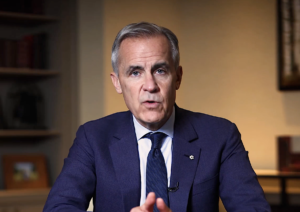
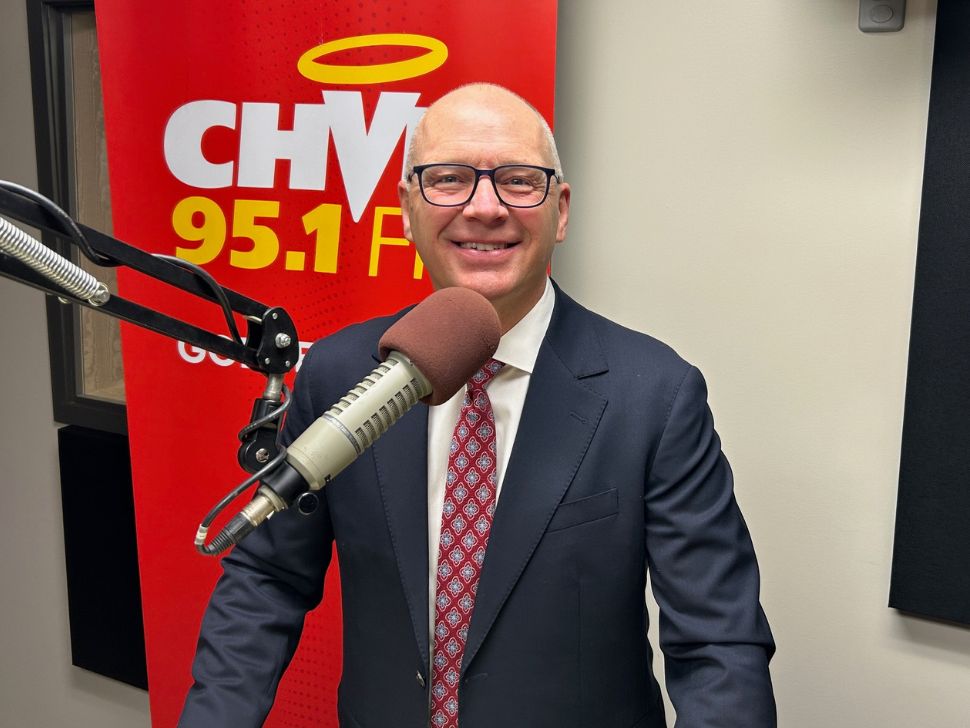
After a year marked by major civic milestones and difficult decisions, Winnipeg Mayor Scott Gillingham is reflecting on 2025 as a turning point for the city—while outlining priorities he says will shape Winnipeg’s growth, safety, and services in the year ahead.
“There were a lot of highlights in 2025,” says Gillingham. “It was a really busy year for council and myself. We opened Portage and Main to pedestrian traffic. That was really exciting after almost 40 years.”
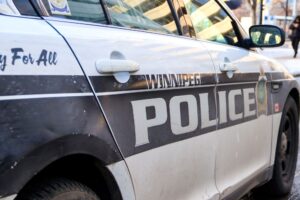
On a broader scale, Gillingham has been in collaboration with other provincial mayors regarding the issue of crime.
“I worked really hard with other mayors, the mayor of Portage la Prairie and the mayor of Brandon, to call on the federal government to change the bail laws so our communities are safer. I’m not a ‘Put people in jail and throw away the key’ kind of guy. But there are individuals sometimes who are out on our streets, breaching their court orders, causing more victims and committing more crimes. Thankfully, the federal government is making those changes.”
Projects and Goals for the New Year in Winnipeg
Gillingham and his office have implemented a new transit system for Winnipeggers, and there have been growing pains.
“There’s been bumps along the road with that. I want to thank people for their patience as we are making adjustments and changes to the new system. For a lot of people, they’re very good. There’s more frequency, more reliability on the new system. I’m not happy with the number of changes we have to make for it, but it’s the right system for the future. Just recently, we’ve added more buses in the morning, so more kids can get to school.”
In the past few months, most Winnipeggers saw a huge increase in their water bills.
“We have to build the new North End Sewage Treatment Plant. We will run out of sewer capacity in 2032 if we don’t get this built. The project is the biggest, most expensive project we’ve ever built; it’s over three billion dollars. The current plant is 95 years old.”
Winnipeggers, as rate payers, are responsible for paying a portion of the new plant. The federal and provincial governments will cover the rest.
“Our water waste department asked the city council and myself, to approve rates that were much, much higher. We as a council said no to add over $1,000 a year to water bills; it’s too much. We did bring in an increase but it’s much lower than was asked for.”
According to Gillingham, Winnipeg has grown by 70,000 people over the past four years. This fact plays a part in this year’s goals for the mayor.
“We’re going to keep building our city. I’m focused right now on adding a fourth emergency service. Last year, over 21,000 calls the police responded to were wellness checks. Some of those calls were individuals struggling with mental health. They needed a mental health worker. So public safety, mental health response, working on homelessness, getting more people into housing, and building the city. Those are all priorities that I’m pursuing.”